Amateur astronomy in Germany
Observing the Night Sky, From First Steps to First Light
Practical guidance on telescope selection, reading star charts and finding low light pollution sites across Germany — written for observers who are just getting started.
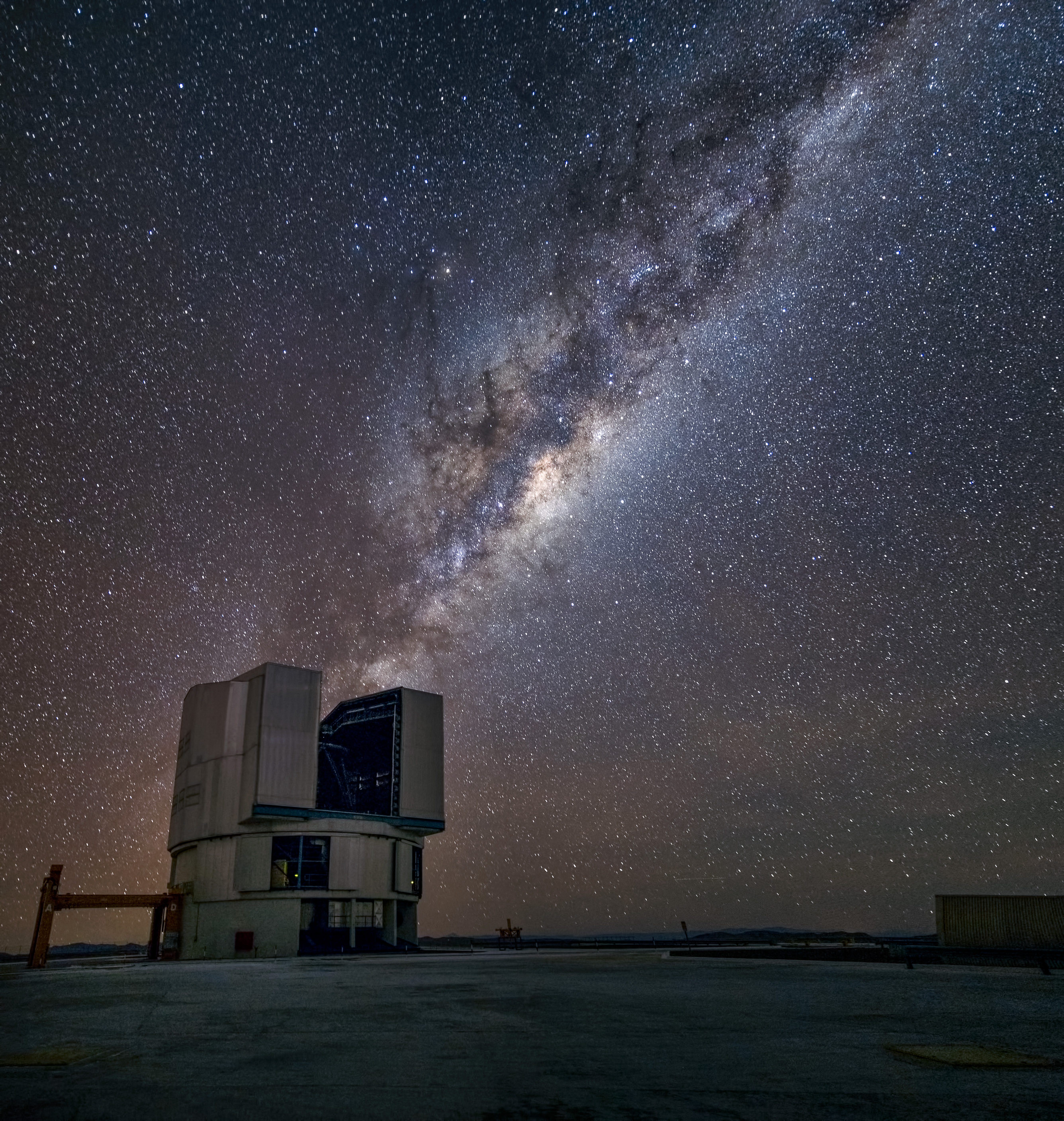
ESO/J. Colosimo — CC BY 4.0
Reference articles
Guides for Beginning Observers
Each article covers a distinct aspect of amateur astronomy practice, with specific examples relevant to observing conditions and equipment available in Germany.

Choosing Your First Telescope: A Practical Guide
Refractor, reflector or catadioptric — how the main telescope types differ, what aperture and focal ratio mean, and which mount suits outdoor observation in variable German weather.

Reading Star Charts: How to Navigate the Night Sky
How right ascension and declination are used on printed and digital charts, how magnitude scales work, and how to identify prominent winter and summer constellations visible from Central Europe.

Dark Sky Locations in Germany: Low Light Pollution Sites
Designated dark sky areas and remote observation spots across Germany — from the Rhön Biosphere Reserve to the Eifel National Park — with notes on access, horizon and typical sky quality.
About this reference
What Tazenoor covers
Tazenoor is an informational reference on amateur astronomy, written specifically with Germany as the observing context. Articles address the practical aspects of the hobby: selecting equipment suited to portable use in Central European conditions, interpreting star maps, and locating sites where sky glow is low enough to reveal fainter objects.
Content is kept factual and neutral. Descriptions avoid commercial endorsements. Where equipment specifications are discussed, they reflect general parameters available from manufacturers' public documentation, not paid placements.
Dark sky site information draws on publicly documented designations from DarkSky International and Lichtverschmutzung.de.